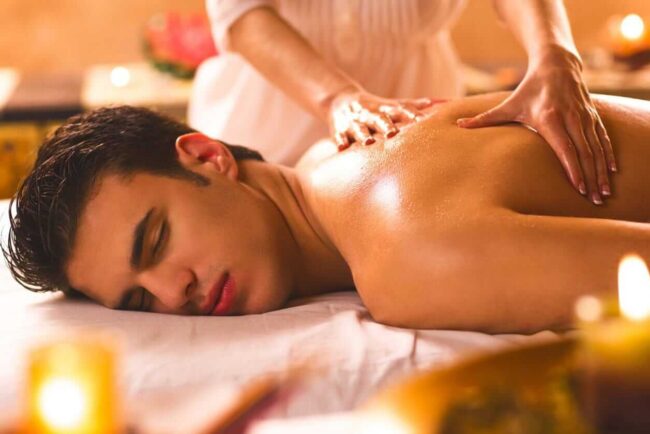
Body-to-Body Massage: Meaning, Types, Benefits, and Step-by-Step Guide

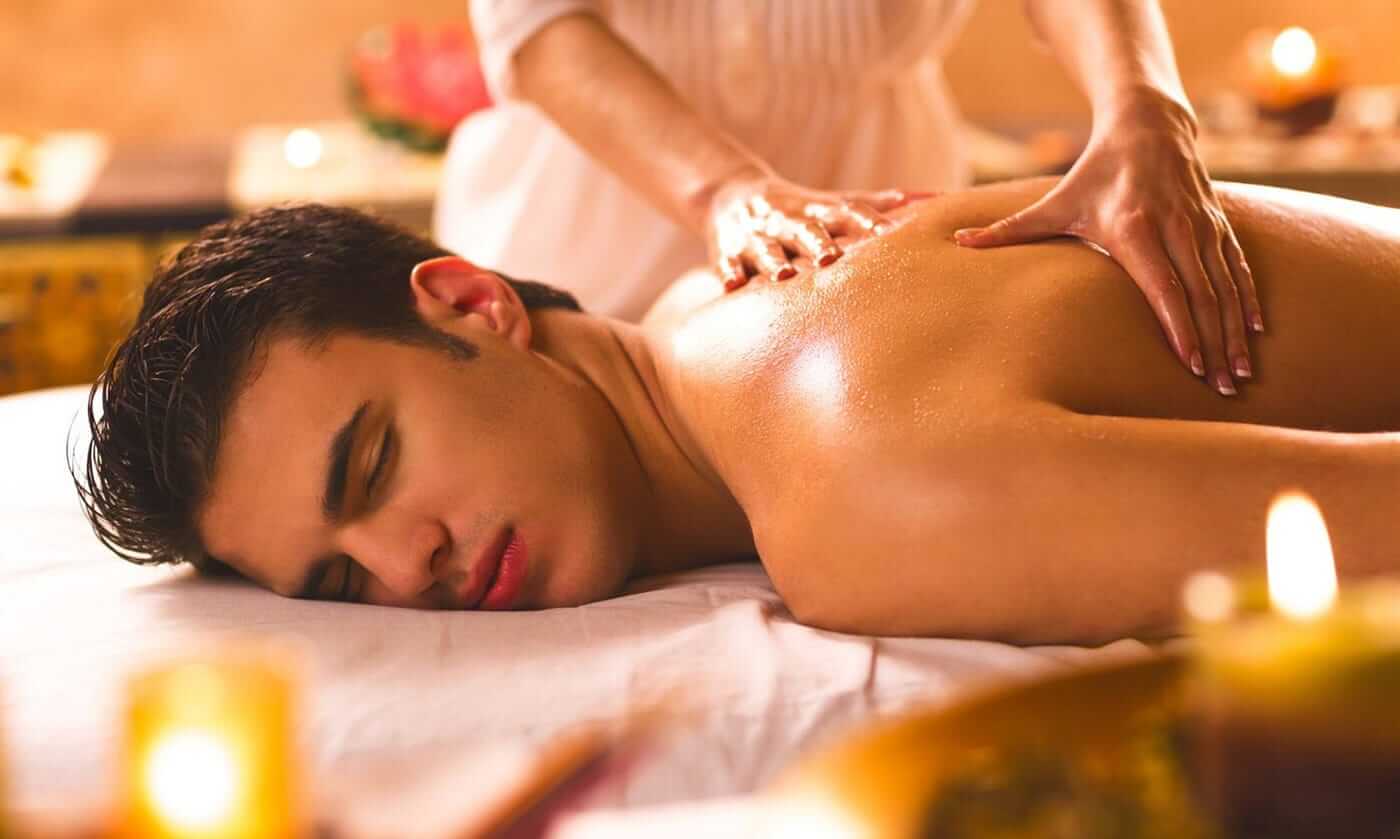
Body-to-body massage is a wellness service that uses close physical contact and smooth, controlled movements to create a relaxing massage experience. Unlike a traditional massage that mainly uses the therapist’s hands, some body-to-body techniques use broader contact through the forearms and other parts of the body.
Many people search for body-to-body massage because they want to understand how it works, what happens during a session, and whether it is different from an ordinary full-body massage. Some are interested in relaxation, while others want to compare spa treatments before making a booking.
However, the term does not have one universal professional definition. Different spas may use it to describe different services. Therefore, understanding exactly what a provider offers is essential.
This guide explains the meaning of body-to-body massage, common techniques, preparation, treatment steps, safety considerations, costs, and frequently asked questions.
What Is Body-to-Body Massage?
Body-to-body massage, also called B2B massage, is a massage style involving broader physical contact between a therapist and a client.
Traditional massage generally relies on movements made with the hands, fingers, thumbs, and forearms. Some massage techniques also use elbows or supported body weight.
Body-to-body massage may involve additional controlled contact, depending on the treatment and the provider’s professional approach.
The main features can include:
- Slow and continuous massage movements.
- Gentle to moderate pressure.
- Massage oils or suitable lubricants.
- A peaceful treatment environment.
- Attention to comfort and relaxation.
- An agreed treatment plan.
- Clear personal and professional boundaries.
It is important to understand that body-to-body massage is not a standardized medical treatment. The training, techniques, and services offered can differ considerably among spas.
A reputable provider should explain the exact treatment before asking you to book.
How Does Body-to-Body Massage Work?
A massage session generally begins with a consultation. The therapist asks about your preferences, medical concerns, and areas where you experience discomfort.
After the consultation, the therapist prepares the treatment room and explains the session.
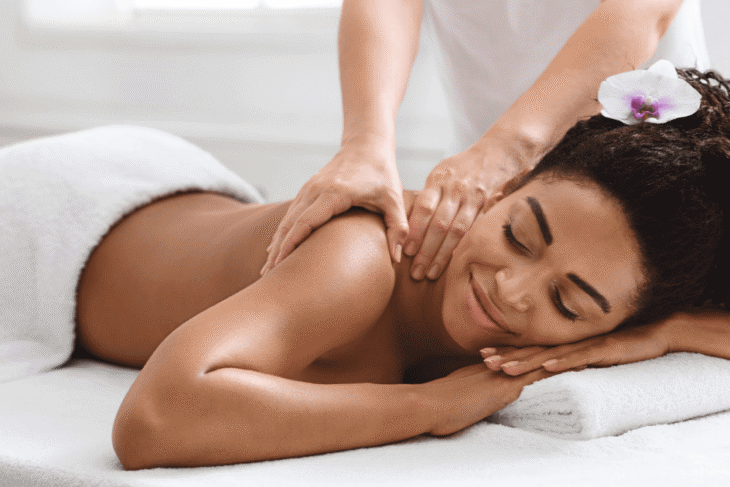
Most professional massage sessions use a comfortable treatment table, fresh linens, appropriate draping, and suitable oils when required.
The therapist then performs controlled massage movements on agreed areas of the body. Pressure and movement should be adjusted according to your comfort.
Different techniques produce different sensations. Gentle gliding strokes may feel soothing, whereas stronger pressure can feel more intense.
The purpose of an ordinary wellness massage is to provide comfort, relaxation, and a pleasant experience. It should never involve unwanted contact.
Remember that clients may ask questions, request changes, or stop a session at any time.
Different Types of Body-to-Body Massage
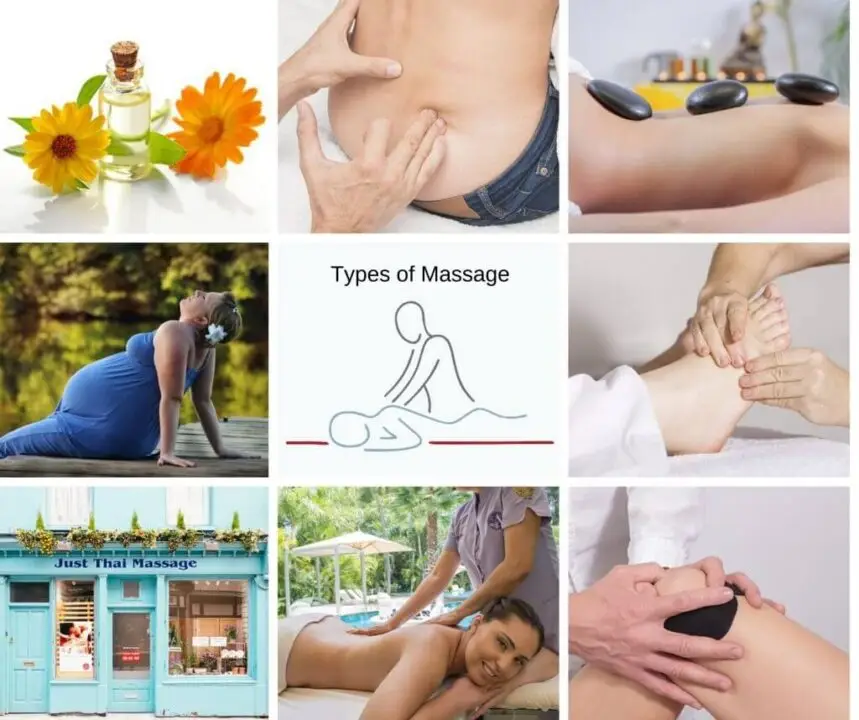
1. Oil-Based Body-to-Body Massage
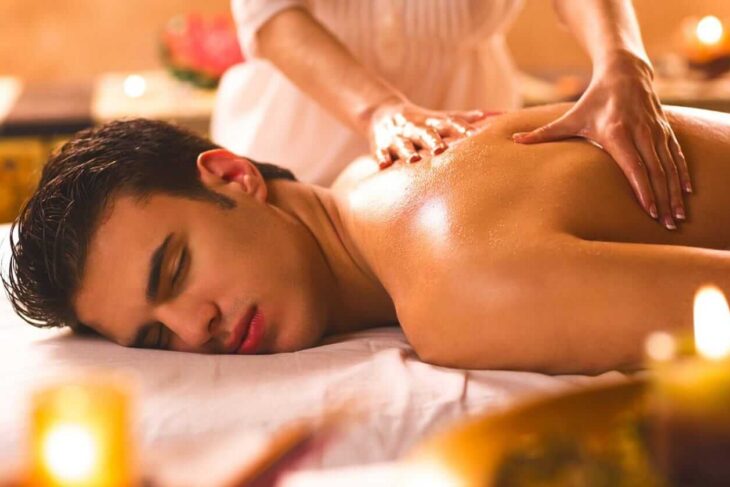
Oil-based treatments use massage oil to reduce friction and make movements smoother.
Oil can help the therapist perform continuous strokes without pulling the skin.
The exact oil should be selected according to the client’s skin sensitivity, allergies, and preferences.
Fragrance-free products are often a practical option for people with sensitive skin.
2. Full-Body Relaxation Massage
Full-body relaxation massage generally focuses on large muscle groups, including the shoulders, back, arms, and legs.
The therapist may use gentle pressure and flowing hand movements to create a calming experience.
This type is often suitable for people who want a straightforward professional wellness treatment.
3. Aromatherapy Massage
Aromatherapy massage combines massage movements with appropriately diluted aromatic products.
The scents may contribute to a pleasant atmosphere, but essential oils can cause skin irritation or allergic reactions.
Clients with fragrance sensitivity should request fragrance-free alternatives.
4. Swedish Massage
Swedish massage is a widely recognized style involving long strokes, kneading, circular movements, and other soft-tissue techniques.
Unlike the loosely defined body-to-body category, Swedish massage has a more established set of techniques.
It may be an easier option for people who want a clearly defined treatment.
5. Deep Tissue Massage
Deep tissue massage uses more focused pressure to work with muscles and surrounding soft tissues.
It is not the same as body-to-body massage.
People with certain injuries or medical conditions may need to avoid deep pressure or obtain medical advice first.
6. Couples Massage
A couples massage allows two people to receive separate massage treatments during the same appointment, usually in a shared room.
Each person normally has an individual therapist and can select a different treatment.
Couples massage should not be confused with body-to-body massage.
Body-to-Body Massage vs. Regular Massage
| Feature | Body-to-Body Massage | Traditional Relaxation Massage |
|---|---|---|
| Main technique | Varies by spa; may involve broader contact | Established hand and forearm techniques |
| Pressure | Usually gentle to moderate, depending on provider | Adjustable |
| Oil | Frequently used | Optional |
| Main purpose | Commonly relaxation | Relaxation or targeted comfort |
| Standardization | No universal protocol | More established techniques |
| Session length | Depends on provider | Commonly 30–90 minutes |
| Medical evidence | Limited technique-specific evidence | Research exists for some massage approaches |
The best treatment is not necessarily the one with the most unusual technique. It is the treatment that suits your comfort, health, and personal preferences.
Step-by-Step Guide to a Professional Massage Session
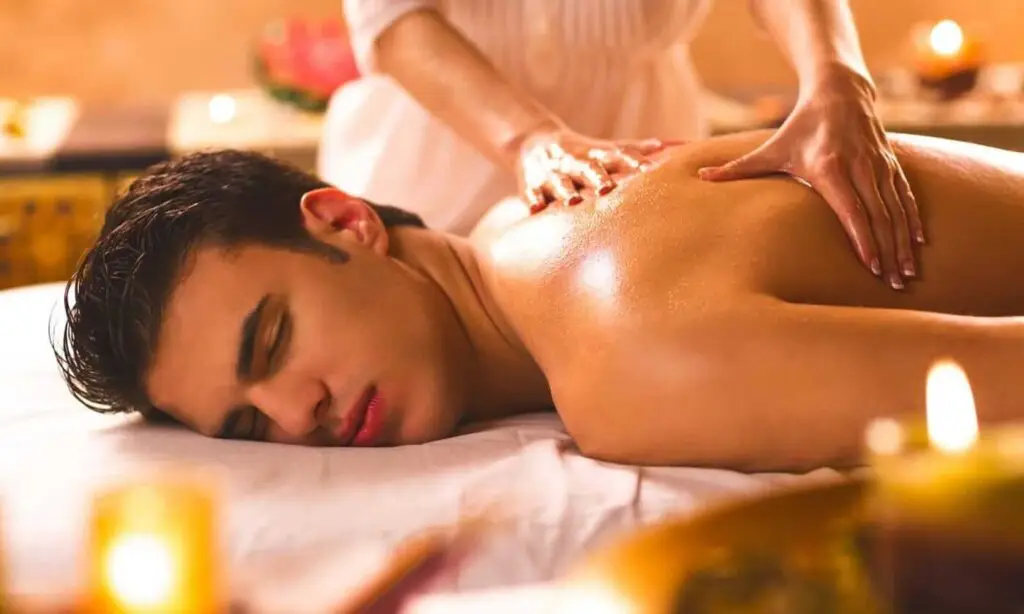
Step 1: Research the Spa
Start by searching for an established wellness centre.
Review its website, business address, treatment menu, and available customer feedback.
Look for clear descriptions of the services.
Be careful with businesses that make unrealistic promises or refuse to explain their treatments.
An attractive website alone is not proof of professional standards.
Step 2: Ask About the Treatment
Before booking, ask the provider to explain what its body-to-body massage includes.
Useful questions include:
- What techniques are used?
- Is the treatment offered for relaxation?
- What areas of the body are included?
- How is client privacy maintained?
- What draping arrangements are used?
- Can I request lighter pressure?
- Are there any additional charges?
Clear answers help avoid misunderstandings.
Step 3: Discuss Health Conditions
Massage is not suitable for every person or every health situation.
Inform the therapist about relevant issues such as injuries, recent surgery, skin infections, blood-clot concerns, pregnancy, or significant pain.
Certain medical conditions require special precautions.
If you are uncertain about your health, consult a qualified healthcare professional before booking.
Step 4: Select the Session Duration
Many massage providers advertise appointments lasting 30, 60, or 90 minutes.
Short sessions may focus on a particular area, such as the upper back or shoulders.
Longer sessions may allow more time for several muscle groups.
A 60-minute relaxation massage can be a reasonable starting point, although the ideal duration varies.
Ask whether consultation, changing, and shower time are included in the advertised duration.
Step 5: Prepare Before Arrival
Arrive a little early so you can complete the consultation without feeling rushed.
Wear comfortable clothing and avoid applying products that may interfere with the massage oil.
Tell the provider about any allergies.
You should also avoid arriving under the influence of alcohol or other intoxicating substances.
Bring necessary medication or medical information if relevant.
Step 6: Check the Treatment Room
The treatment space should be clean and comfortable.
Look for fresh towels, clean linens, safe equipment, and suitable ventilation.
The room should provide privacy, and the therapist should explain the treatment before beginning.
If the environment appears unhygienic or uncomfortable, you may decline the service.
Step 7: Agree on Boundaries
Professional massage should always begin with informed consent.
Discuss areas you want treated and areas you want avoided.
Ask how the therapist will manage draping and personal privacy.
Do not assume that agreeing to a massage means agreeing to every possible technique.
Consent can be changed or withdrawn at any point.
Step 8: Begin With Gentle Movements
A typical relaxation session often starts with light movements to help the client become comfortable.
The therapist may begin around the back and shoulders or another agreed area.
Pressure should remain within your comfort level.
Sharp pain, tingling, or unusual discomfort is a reason to ask the therapist to stop or adjust.
Step 9: Continue With the Agreed Treatment
The therapist gradually moves between the selected muscle groups.
Commonly treated areas include the back, shoulders, arms, and legs.
The order varies according to the session and the client’s needs.
If oil is used, it should be applied in appropriate amounts rather than excessively.
At every stage, communication is more important than following a fixed routine.
Step 10: Finish and Review the Experience
At the end of the session, the therapist should allow you time and privacy to get dressed.
You may be offered water or access to washing facilities.
If you notice soreness, a rash, or any unexpected symptoms, report them.
Ask whether any adjustments would make future sessions more comfortable.
Potential Benefits of Body-to-Body Massage
May Encourage Relaxation
Many people enjoy massage because it gives them time away from everyday distractions.
A peaceful room, comfortable positioning, and gentle massage movements can contribute to relaxation.
However, the amount of relaxation varies from person to person.
May Reduce Temporary Muscle Discomfort
Some types of massage may help people experiencing short-term muscle discomfort.
Research on massage for certain pain conditions suggests possible benefits, although evidence quality and results vary.
There is not enough high-quality evidence to establish that body-to-body massage is superior to conventional techniques.
May Support a Sense of Well-Being
A comfortable massage experience can become part of a general self-care routine.
Some people report feeling calmer or more comfortable afterward.
These personal experiences are valuable, but they should not be confused with proof that massage treats a medical condition.
May Help People Unwind Before Bedtime
People who feel relaxed after a massage may find it easier to settle into an evening routine.
However, body-to-body massage has not been established as a treatment for insomnia.
Persistent sleep problems should be discussed with a healthcare professional.
Who Should Be Careful With Massage?
Although massage is generally considered low-risk when performed appropriately, certain people may require medical clearance or modifications.
Extra caution may be appropriate for people with:
- Suspected or diagnosed blood clots.
- Recent fractures or serious injuries.
- Active skin infections.
- Unexplained swelling.
- Recent surgery.
- Bleeding disorders.
- Severe osteoporosis.
- Certain cardiovascular conditions.
- Pregnancy-related complications.
- Cancer treatment affecting skin or tissue sensitivity.
These conditions do not automatically mean that every form of massage is prohibited.
The appropriate decision depends on medical circumstances and the treatment proposed.
How to Choose a Professional Therapist
A professional therapist should be willing to discuss training, relevant experience, and safety procedures.
Ask whether the spa has a written treatment policy.
Check whether prices and appointment durations are clearly advertised.
Read recent reviews, but do not rely only on ratings.
Pay attention to whether the therapist respects your instructions during the consultation.
Never continue a session if you feel pressured, unsafe, or uncomfortable.
Common Mistakes to Avoid
Choosing a Spa Only Because It Is Cheap
A low price does not guarantee good value.
Consider the cleanliness, therapist training, and clarity of services.
Ignoring Allergies
Massage oils may contain fragrances, botanical ingredients, or preservatives.
Tell the therapist about known allergies before any product is applied.
Expecting a Medical Cure
Massage should not replace medical diagnosis or treatment.
Persistent or worsening pain requires appropriate evaluation.
Not Discussing Pressure
Some clients stay silent when massage feels uncomfortable.
Communicating clearly helps the therapist adjust the treatment.
Assuming All B2B Services Are Identical
The term is used differently across businesses.
Always confirm the actual service instead of relying on the treatment name.
Tips for a Better Massage Experience
First, choose a session that matches your expectations.
If relaxation is your priority, a gentle massage may be preferable to strong pressure.
Second, share relevant health information accurately.
Third, communicate about room temperature, oil preferences, and discomfort.
Fourth, allow enough time before and after your appointment.
Finally, evaluate the spa based on its professionalism rather than promotional claims.
A positive experience depends on trust, communication, comfort, and competent technique.
Frequently Asked Questions
What does body-to-body massage mean?
It generally describes a massage style using broader physical contact than conventional hand-based massage. The exact technique differs by provider.
Is body-to-body massage the same as a full-body massage?
No. A full-body massage describes the areas treated, while body-to-body massage describes a possible style of contact.
Is oil necessary?
Not always. Some providers use massage oil, but the product depends on the treatment.
Is body-to-body massage painful?
A gentle relaxation massage should not involve sharp or significant pain. Tell the therapist immediately if you experience discomfort.
How long does a session last?
Sessions commonly vary from approximately 30 to 90 minutes, depending on the spa and service.
Can beginners book a massage?
Yes, provided the treatment is suitable for their health and the provider explains the procedure clearly.
Can I request a specific therapist?
Many spas allow clients to express therapist preferences, subject to availability.
Is body-to-body massage suitable during pregnancy?
Pregnant clients should discuss massage with their healthcare provider and choose an appropriately trained prenatal massage therapist.
Can massage replace physiotherapy?
No. Physiotherapy involves assessment and structured treatment for particular health concerns. A wellness massage is not a substitute.
How often should someone book a massage?
There is no single recommended schedule. Frequency depends on comfort, budget, health needs, and personal preference.
Final Thoughts
Body-to-body massage is a broad term used for several massage experiences involving close, controlled physical contact.
Because techniques vary, clients should focus on understanding the specific service rather than assuming that every provider follows the same routine.
A good massage experience requires professional conduct, suitable hygiene, informed consent, appropriate pressure, and realistic expectations.
For beginners, choosing a reputable wellness centre and asking detailed questions before booking are among the most useful steps.