

Benefits of Body-to-Body Massage: Relaxation, Comfort, and Wellness Explained

Modern life can leave people feeling physically tired and mentally overwhelmed. Working for long hours, spending time in traffic, using digital devices, and managing everyday responsibilities can create a strong desire for rest and relaxation. Massage is one of the wellness activities people consider when looking for a relaxing experience. Among the different options available, body-to-body massage has attracted attention because of its use of broad, flowing movements and close physical contact. But what are the actual benefits of body-to-body massage? Can it reduce discomfort? Does it help people relax? And are the advertised health benefits supported by scientific research?
These are important questions because massage advertisements sometimes promise results that have not been scientifically established. This guide explains 12 possible benefits and experiences associated with massage, where scientific evidence exists, and what clients should realistically expect.
Understanding Body-to-Body Massage
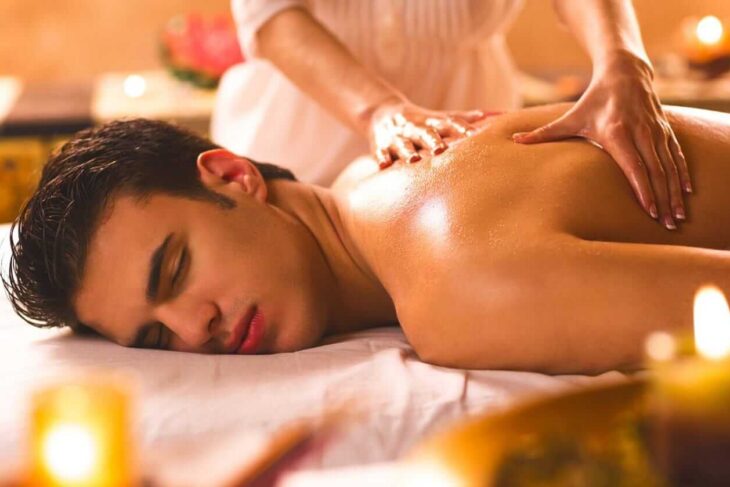
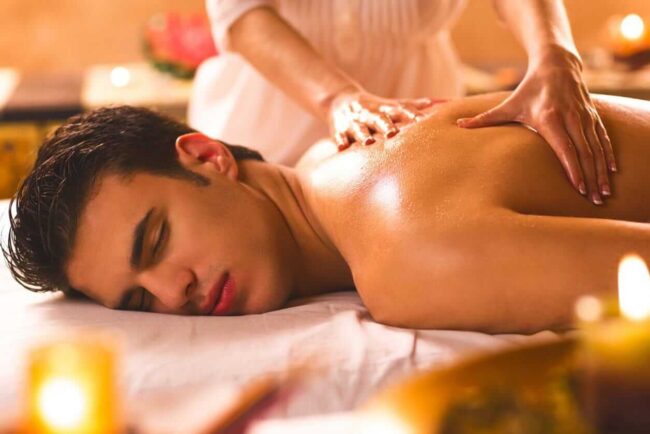
Body-to-body massage describes a group of massage experiences in which physical contact may extend beyond conventional hand-based movements.
Depending on the spa, therapists may use their hands, forearms, and other broad contact techniques.
The massage may include slow movements, gentle pressure, and suitable massage oils.
However, body-to-body massage is not a standardized medical therapy.
Research specifically studying this category is limited.
Many of the potential benefits discussed below come from research on massage therapy more generally. These findings cannot automatically be applied to every body-to-body massage technique.
1. May Help Reduce Everyday Stress
Stress is one of the most common reasons people seek relaxation treatments.
Daily stress can involve emotional concerns, work deadlines, family responsibilities, and insufficient rest.
A comfortable massage appointment may provide time away from these demands.
During the session, clients can focus on breathing, physical comfort, and the peaceful environment.
Some massage research suggests possible improvements in short-term anxiety and perceived stress.
However, outcomes vary, and the evidence does not demonstrate that a particular body-to-body technique works better than conventional massage.
How to Make the Most of This Benefit
Book a session when you have enough time to relax afterward.
Silence your phone and avoid scheduling stressful activities immediately after your appointment.
Choose a provider offering a calm environment and appropriate treatment techniques.
If you feel uncomfortable with any part of the session, speak up. Relaxation requires a sense of safety.
2. May Promote Physical Relaxation
Physical relaxation is different from simply sitting down.
People may continue holding muscle tension even when they are resting.
For example, office workers sometimes notice that their shoulders remain raised after spending hours at a desk.
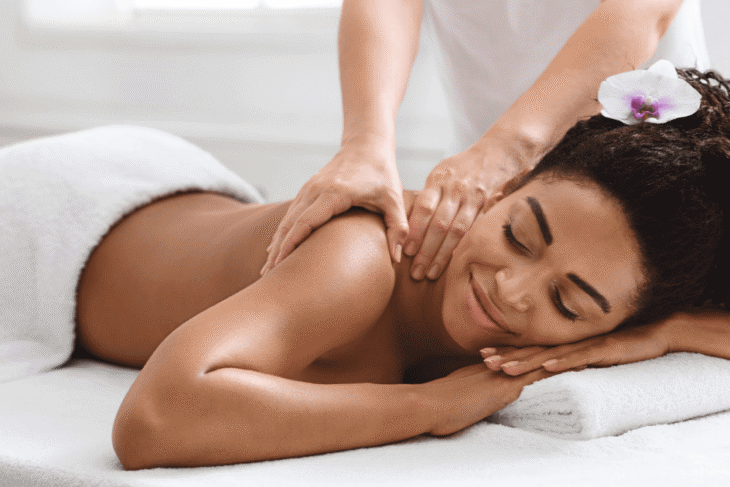
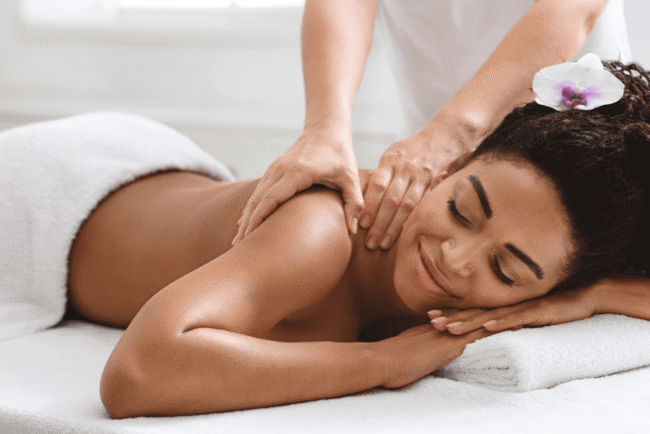
A gentle massage may help some people become more aware of tension and feel more comfortable.
Slow movements and a suitable room temperature can contribute to this experience.
However, relaxation is subjective. A technique that feels soothing to one person may feel uncomfortable to another.
Practical Example
Imagine someone who has completed a long day of meetings.
They book a gentle relaxation massage, request light pressure, and spend the session in a quiet room.
Afterward, they may feel less tense and more refreshed.
This response reflects an individual experience rather than a guaranteed medical outcome.
3. May Provide Short-Term Relief From Muscle Discomfort
Muscle discomfort can develop after physical activity, prolonged sitting, or repetitive movements.
Some forms of massage may provide temporary relief for certain musculoskeletal symptoms.
Research has examined massage in relation to neck pain, back pain, and other conditions.
Results suggest possible short-term benefits for some people, although studies vary in quality.
Persistent or severe pain should be assessed rather than repeatedly managed through massage alone.
When to Seek Medical Advice
Consult a healthcare professional if discomfort follows a serious injury or occurs alongside weakness, numbness, fever, or unexplained swelling.
Massage may not be appropriate for some causes of pain.
4. May Encourage Better Body Awareness
Many people become accustomed to minor stiffness or uncomfortable posture.
They may not notice how often they tighten their shoulders, jaw, or hands.
A professional massage session provides an opportunity to recognize areas that feel comfortable or sensitive.
Clients can use this information when discussing treatment preferences.
For example, someone may discover that gentle pressure around the shoulders feels better than deeper pressure.
Body awareness does not mean a massage therapist can diagnose medical conditions.
A therapist should not claim to identify serious illnesses merely by touching muscles.
5. May Help People Unwind Before Sleep
Relaxation is an important part of a healthy bedtime routine.
For some people, an evening massage provides a transition between a demanding day and quiet rest.
The experience may encourage them to slow down, reduce distractions, and prepare for sleep.
However, evidence on massage and sleep varies.
There is insufficient research to claim that body-to-body massage treats insomnia.
Simple Evening Routine
Consider these steps after a relaxing massage:
- Return home without rushing.
- Eat a comfortable, balanced meal if needed.
- Reduce unnecessary screen use.
- Keep the bedroom dark and comfortable.
- Follow a consistent bedtime.
If sleep difficulties persist, seek professional advice.
6. May Support General Emotional Well-Being
Personal well-being involves more than the absence of physical discomfort.
It includes feeling comfortable, having time for yourself, and maintaining healthy routines.
Some people find massage emotionally rewarding because it allows them to disconnect from work and daily responsibilities.
A professional massage can also provide a structured self-care activity.
Nevertheless, the experience should be presented as a possible source of comfort, not a treatment for depression or other mental health conditions.
People experiencing persistent emotional distress should obtain appropriate professional support.
7. May Encourage a Regular Self-Care Routine
Self-care is sometimes overlooked when people have demanding schedules.
A planned wellness appointment may encourage someone to set aside time for themselves.
Massage can be one optional part of that routine.
Other activities include walking, stretching, maintaining social connections, practicing relaxation exercises, and getting sufficient sleep.
There is no need to book expensive treatments to practice meaningful self-care.
A balanced approach is more sustainable than relying on one activity.
Example of a Balanced Wellness Week
| Day | Suggested activity | Main purpose |
|---|---|---|
| Monday | Light walking | Maintain movement |
| Tuesday | Gentle stretching | Improve comfort |
| Wednesday | Quiet reading | Mental relaxation |
| Thursday | Regular exercise | Support fitness |
| Friday | Optional massage | Relaxation |
| Saturday | Outdoor activity | Recreation |
| Sunday | Rest and preparation | Recovery |
This example is flexible and should be adjusted according to individual needs.
8. May Make Some People Feel More Comfortable After Prolonged Sitting
Long periods of sitting can contribute to temporary stiffness.
Someone working at a computer may notice discomfort around the neck, shoulders, or upper back.
Massage can feel pleasant, particularly when gentle techniques are selected.
However, massage does not correct every cause of workplace discomfort.
Improving desk setup, taking movement breaks, strengthening relevant muscles, and getting medical advice when needed may be more important.
Helpful Workplace Habits
- Change positions regularly.
- Keep frequently used items within comfortable reach.
- Take short movement breaks.
- Adjust the computer screen and chair.
- Avoid remaining in one position for unnecessarily long periods.
Massage may complement these habits but should not replace them.
9. May Provide a Pleasant Sensory Experience
A massage session combines several elements.
These can include a comfortable room temperature, gentle touch, quiet music, and a suitable massage product.
For some people, these conditions make the experience especially pleasant.
There is nothing inherently medical about enjoying a comfortable sensory environment.
It is reasonable to value a massage simply because it feels relaxing.
The important consideration is that the provider respects the client’s choices and boundaries.
A treatment should never require accepting uncomfortable or unwanted physical contact.
10. May Offer Temporary Comfort After Physical Activity
People who exercise sometimes book massage appointments because their muscles feel tired.
Massage has been studied in relation to exercise-related soreness and recovery.
Some findings suggest modest benefits for certain symptoms.
However, massage should not be presented as a guaranteed way to accelerate muscle repair or improve athletic performance.
Recovery also depends on rest, nutrition, training load, and overall health.
After-Exercise Considerations
Avoid strong pressure over injured or unusually swollen areas.
Do not book an intense massage to conceal pain that may indicate an injury.
If discomfort is persistent or severe, seek an appropriate assessment.
11. May Help Establish Personal Relaxation Preferences
Not everyone enjoys the same type of massage.
Some people prefer light, slow movements.
Others prefer conventional Swedish massage or more targeted techniques.
Trying a professionally delivered treatment may help a person understand their preferences.
For example, someone may discover that unscented oil feels better than fragranced products.
Another person may prefer a shorter session with limited areas treated.
Understanding these preferences can improve future appointments.
The important point is not to pursue increasingly intense services. It is to find an appropriate, comfortable experience.
12. May Provide Dedicated Time Away From Digital Distractions
Phones, email notifications, and social media can make it difficult to disconnect.
A massage appointment often creates a period during which clients put their devices aside.
This uninterrupted time may contribute to the overall sense of rest.
The same principle can apply to meditation, quiet walks, reading, and other relaxing activities.
Massage is one possible option rather than a unique requirement for well-being.
Are the Benefits Scientifically Proven?
This question deserves careful consideration.
Research has evaluated massage therapy for several health-related outcomes.
Some studies suggest improvements in certain pain symptoms, anxiety, or quality of life.
However, research findings are inconsistent, and some studies are small or methodologically limited.
Importantly, evidence about Swedish massage or other conventional approaches does not establish identical benefits for every body-to-body massage service.
Evidence Summary
| Claimed benefit | What can reasonably be said |
|---|---|
| Relaxation | Commonly reported; varies by person |
| Temporary discomfort relief | Some general massage evidence |
| Anxiety reduction | Possible short-term benefit in some studies |
| Improved sleep | Evidence varies; not a proven insomnia treatment |
| Better circulation | Broad claims require caution |
| Detoxification | Not established |
| Permanent pain relief | Not established |
| Hormonal balancing | Not established |
| Disease prevention | Not established |
Avoid treating promotional language as medical evidence.
Possible Risks and Side Effects
Massage is often low-risk when performed appropriately, but it is not risk-free.
Possible problems include temporary soreness, skin irritation, or discomfort.
Rarely, serious complications have been reported, particularly with forceful massage or in people with increased medical risks.
Skin Reactions
Massage oil can contain ingredients that irritate sensitive skin.
Fragrances and essential oils are potential allergens.
Always disclose known allergies before treatment.
Excessive Pressure
Strong pressure may be inappropriate for some people.
Clients should not feel obligated to tolerate pain.
Poor Hygiene
Unclean linens, shared products, or inadequate sanitation can increase hygiene concerns.
Choose providers that visibly maintain professional standards.
When Should You Avoid or Modify Massage?
Seek medical guidance before massage if you have:
- A suspected blood clot.
- A recent serious injury.
- An active contagious skin condition.
- A recent surgical wound.
- Significant unexplained swelling.
- Certain bleeding disorders.
- Severe osteoporosis.
- Complex pregnancy-related concerns.
- A medical condition affecting tissue sensitivity.
For people undergoing cancer treatment or recovering from surgery, a suitably trained therapist and an individualized plan may be necessary.
Step-by-Step Guide to Getting the Most From a Session
Step 1: Identify Your Main Goal
Decide whether you want general relaxation, temporary comfort, or simply a pleasant wellness activity.
Avoid expecting the massage to cure an underlying illness.
Step 2: Choose a Suitable Treatment
Ask the spa to explain the technique.
If you want a clearly established massage approach, consider Swedish or conventional relaxation massage.
Step 3: Select a Qualified Provider
Look for relevant training, professional communication, hygiene standards, and transparent policies.
Step 4: Share Medical Information
Explain allergies, injuries, and conditions that may affect treatment.
Do not hide relevant health details to avoid changing the massage.
Step 5: Establish Comfort Preferences
Discuss pressure, temperature, oils, draping, and areas to avoid.
Step 6: Communicate During the Massage
Tell the therapist when something feels uncomfortable.
Do not assume that discomfort is necessary to obtain benefits.
Step 7: Observe Your Response
After the session, notice how you feel.
Mild temporary soreness may occur, but persistent pain or concerning symptoms should not be ignored.
Step 8: Continue Healthy Daily Habits
Maintain regular movement, appropriate exercise, sleep routines, and medical care when needed.
Massage should be one optional wellness activity rather than the foundation of your health plan.
Body-to-Body Massage vs. Other Relaxation Activities
| Activity | Possible benefit | Consideration |
|---|---|---|
| Gentle massage | Relaxation and temporary comfort | Requires trained provider |
| Walking | Physical activity and mental well-being | Usually accessible |
| Stretching | Movement and flexibility | Must match physical ability |
| Meditation | Attention and stress management | Requires practice |
| Warm bath | Comfort and relaxation | Avoid excessive heat |
| Breathing exercises | Calming routine | Can be performed at home |
Combining suitable activities may be more practical than relying exclusively on massage.
Frequently Asked Questions
What are the main benefits of body-to-body massage?
The most realistic potential benefits are relaxation, physical comfort, and a pleasant wellness experience. Specific medical benefits have not been firmly established.
Can it help with stress?
Some people find massage relaxing, and research on certain massage techniques suggests possible short-term stress or anxiety benefits.
Does it improve blood circulation?
Massage can have local physiological effects, but strong claims about lasting improvements in whole-body circulation should not be made without reliable evidence.
Does body-to-body massage remove toxins?
There is no convincing evidence that this massage technique detoxifies the body.
Can it cure back pain?
No. Some massage approaches may help certain people manage symptoms temporarily, but persistent back pain requires appropriate evaluation.
Is daily massage necessary?
No. There is no established requirement for daily body-to-body massage.
Can older adults receive massage?
Some older adults can benefit from appropriately adapted massage, but medical conditions, medications, skin fragility, and bone health must be considered.
Are massage oils good for every skin type?
No. Some products may cause irritation or allergic reactions.
Can massage improve sleep?
Some people feel more relaxed afterward, but massage should not be described as a proven treatment for insomnia.
Is a longer massage always better?
No. A shorter, comfortable treatment can be more appropriate than a prolonged session.
Conclusion
The benefits of body-to-body massage are best understood in the context of general relaxation and personal wellness.
A comfortable massage appointment may help someone unwind, temporarily ease feelings of tension, and enjoy dedicated time for self-care.
However, there is an important difference between personal experiences and scientifically proven medical outcomes.
People considering massage should choose a professional provider, communicate their preferences, consider relevant health conditions, and maintain realistic expectations.
When approached thoughtfully, massage can be one enjoyable component of a balanced wellness routine.
Related posts:
How Do I Know if I Need a Pelvic Floor Massage?

How Fenugreek Helps in Naturally Increasing Breast Size?

Top 10 Ways to Reduce Eye Strain in Your Workspace

Top 7 Tips for Achieving Orgasm During Intercourse

Tips to Boost Clitoral Sensitivity for Better Orgasms

How to Create a Stress-Free Work Environment?
Orgasm Without Clitoral Stimulation: Is It Possible?